
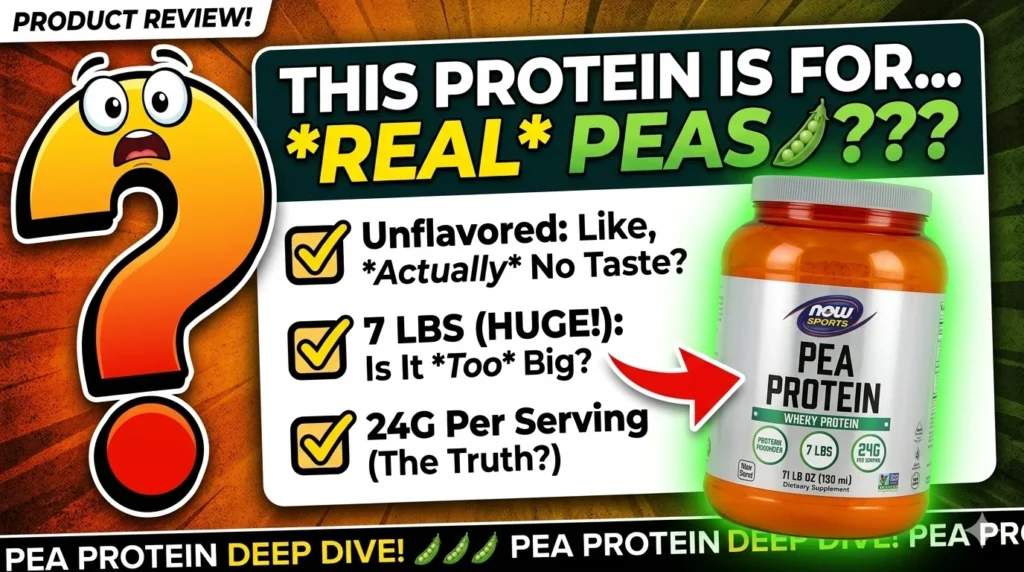
Choosing the right protein powder can feel overwhelming. There are hundreds of options on the market. However, once you understand the key factors, the choice becomes much easier. This guide covers everything — from protein content to packaging sustainability — so you can find the best protein powder for your goals.
1. Protein Content per Serving
The first thing to check on any protein powder label is the grams of protein per serving.
Most protein powders offer between 20 and 30 grams of protein per scoop. Athletes and bodybuilders typically need more protein than casual gym-goers. Therefore, a higher protein-per-scoop ratio gives you more value with fewer calories from filler ingredients.
Always check the serving size too. Some brands list 25g of protein — but the scoop size is 60g. That means nearly half of every serving is non-protein content. Compare protein percentage, not just the headline number.
What to look for:
- 20–30g of protein per serving
- High protein-to-calorie ratio
- No excessive padding from fillers
2. Protein Source
Not all protein powder sources are equal. The source affects digestion speed, amino acid profile, and dietary compatibility.
Whey protein is the most popular source. It digests quickly, making it ideal after workouts. In contrast, casein protein digests slowly, so it works best before bed to support overnight muscle recovery.
Plant-based protein powder options have grown significantly. For example, pea protein, soy protein, and brown rice protein are common plant sources. However, most plant proteins are incomplete on their own. Therefore, blended plant proteins — such as pea and rice combined — deliver a more complete amino acid profile.
Egg white protein is another excellent option. It is dairy-free, digests at a medium rate, and has a very clean nutritional profile.
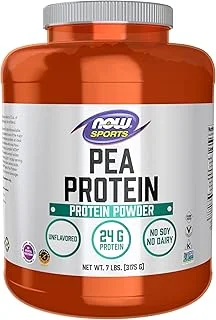
Fast Absorbing, Unflavored Powder, 7-Pound
| Source | Digestion Speed | Best For |
|---|---|---|
| Whey | Fast | Post-workout |
| Casein | Slow | Before bed |
| Pea + Rice | Medium | Vegans |
| Egg White | Medium | Dairy-free |
3. Calorie Count
Protein powder is a supplement, not a meal. Therefore, calorie content matters greatly depending on your goal.
- For fat loss: Choose a protein powder with 100–130 calories per serving.
- For muscle building: A slightly higher-calorie option with added carbs can help.
- For keto diets: Look for protein powders with fewer than 5g of carbs and minimal sugar.
Avoid protein powders loaded with fillers.. and extra carbohydrates. These hidden calories can stall your progress without you realizing it.
4. Ingredient Quality and Transparency
A high-quality protein powder has a clean, readable label. You should recognize every ingredient listed.
Many budget protein powders use fillers, artificial sweeteners, and cheap binding agents.Premium protein powders, by contrast, use minimal ingredients and are tested by third-party labs. This matters because some products contain far less protein than advertised.
Look for protein powders that are:
- Third-party tested (NSF, Informed Sport, or Labdoor certified)
- Free from proprietary blends (all ingredients listed with exact amounts)
- Transparent about amino acid spiking (a practice where cheap aminos inflate the protein test result)
In addition, cleaner labels usually mean fewer side effects and better digestion.
5. Taste and Mixability
A protein powder you hate the taste of will sit unused on your shelf. Therefore, taste is not a trivial factor — it directly affects whether you use the product consistently.
Most reputable brands offer multiple flavors, such as chocolate, vanilla, strawberry, and unflavored. Taste is personal, so reading user reviews for specific flavors before buying is a smart strategy.
Mixability is equally important. A good protein powder dissolves completely in water or milk without clumping. Furthermore, poor mixability often signals lower-quality processing. As a result, spending a bit more on a well-reviewed brand usually improves both taste and texture significantly.
6. Sugar and Carbohydrate Content
For many buyers, the sugar content in protein powder is a critical factor. This is especially true for people following keto, low-carb, or diabetic-friendly diets.
Some flavored protein powders contain 10–15g of sugar per serving. That is more sugar than a typical cookie. Therefore, always check the nutrition label carefully.
Better sweetener options include:
- Stevia (natural, zero glycemic impact)
- Monk fruit extract (natural, zero calories)
- Sucralose (artificial but widely used and generally safe)
In contrast, avoid protein powders sweetened primarily with cane sugar, dextrose, or maltodextrin if you are managing blood sugar or body fat.
7. Fat Content
Protein powder is generally a low-fat supplement. However, fat content varies by type.
Whey protein isolate, for example, contains almost no fat — usually under 1g per serving. In contrast, whole food-based protein powders or meal replacement shakes can contain 5–10g of fat per serving.
The type of fat also matters. Healthy fats from sources like coconut or sunflower lecithin are generally fine. However, avoid protein powders that use hydrogenated oils or cheap filler fats. As a result, checking the fat source — not just the total — gives you a clearer picture of quality.
8. Amino Acid Profile
Protein powder quality is ultimately determined by its amino acid content. Amino acids are the building blocks of muscle tissue.
Complete proteins contain all nine essential amino acids. Whey, casein, and egg white protein are all complete. However, most single-source plant proteins are incomplete. Therefore, if you use a plant-based protein powder, look for a blend that covers the full amino acid spectrum.
BCAAs (Branched-Chain Amino Acids) — specifically leucine, isoleucine, and valine — are the most important for muscle building and recovery. A good protein powder should contain at least 2–3g of leucine per serving. Furthermore, some brands add extra BCAAs to their formula, which can be beneficial for athletes with high training volumes.
9. Digestibility and Gut Health
Even a high-quality protein powder can cause problems if your gut cannot handle it well.
Whey concentrate contains lactose. As a result, people who are lactose-intolerant often experience bloating and discomfort. Whey isolate, on the other hand, is processed to remove most lactose and is generally better tolerated.
Look for protein powders that include:
- Digestive enzyme blends (protease, lactase, bromelain)
- Probiotics for added gut support
- Certified lactose-free labels if you are sensitive
In addition, plant-based protein powders are naturally dairy-free, making them a strong option for those with digestive sensitivities. However, some plant proteins can still cause bloating due to high fiber content. Therefore, starting with a smaller serving size and building up is a good approach.
10. Price per Serving
The cost of protein powder varies widely — from $0.50 to over $3.00 per serving. However, price alone does not indicate quality.
To compare products accurately, always calculate the cost per gram of protein, not the cost per bag. A $60 bag with 60 servings of 25g protein costs $0.04 per gram of protein. In contrast, a $30 bag with 20 servings of 15g protein costs $0.10 per gram — far more expensive despite the lower upfront price.
Furthermore, subscription options and bulk buying can reduce costs significantly on premium protein powders. Therefore, calculating long-term cost is just as important as the initial price.
11. Brand Reputation and Certifications
With hundreds of protein powder brands available, reputation and certifications are powerful filters.
Third-party certifications to look for:
- NSF Certified for Sport — verifies no banned substances (important for tested athletes)
- Informed Sport — rigorous testing for contamination
- USDA Organic — verifies no synthetic pesticides or additives
- Non-GMO Project Verified — confirms no genetically modified ingredients
Furthermore, brands with a long track record and transparent manufacturing practices are generally more trustworthy than newer, heavily marketed brands. In addition, checking independent databases like Labdoor or ConsumerLab can help you verify that the product contains what it claims.
12. Dietary Suitability
The best protein powder for you must fit your dietary requirements. There is no single product that works for everyone.
Before buying, confirm the protein powder is compatible with:
- Vegan/Vegetarian — plant-based sources only (no whey, casein, or egg)
- Gluten-free — must be processed in a gluten-free facility
- Keto — under 5g net carbs, no added sugars
- Halal — certified halal processing and no pork-derived gelatin
- Kosher — certified kosher with appropriate source proteins
Furthermore, even if a product is labeled “natural,” it may still contain hidden animal-derived ingredients. Therefore, reading the full ingredient list is always necessary — not just the marketing copy on the front of the package.
13. Added Ingredients and Extras
Some protein powder products go beyond basic protein. They include added vitamins, minerals, or performance-enhancing compounds.
Common additions include:
- Creatine — supports strength and muscle power output
- Collagen peptides — supports joint, skin, and connective tissue health
- Probiotics — improves gut health and protein absorption
- Vitamins and minerals — fills nutritional gaps in the diet
- Adaptogens (ashwagandha, rhodiola) — may support stress reduction and recovery
Added ingredients are not always beneficial, though. If you already take creatine separately, a protein powder with added creatine could push you over your optimal daily dose. Therefore, always account for your total supplement stack before choosing an enriched protein powder.
14. Packaging and Sustainability
Increasingly, buyers care about more than just what is inside the protein powder container — they care about the container itself.
Many brands now offer:
- Recyclable or compostable packaging
- Refillable pouches
- Reduced plastic usage
- Larger tub sizes to minimize packaging waste per serving
Furthermore, sustainability-conscious brands often reflect their values in ingredient sourcing too — using grass-fed whey, organic plant proteins, and fair-trade sourcing. As a result, choosing a sustainable protein powder brand can align your supplement choices with broader environmental values.
In addition, check the serving count per container. A larger container with more servings means fewer purchases and less packaging over time.
15. User Reviews and Ratings
Finally, real user feedback is one of the most reliable indicators of protein powder quality.
No marketing copy is more honest than aggregated customer reviews. However, not all reviews are equal. Therefore, focus on:
- Verified purchase reviews on major retail platforms
- Third-party review sites (not brand-owned pages)
- Reviews that mention specific use cases similar to yours (weight loss, muscle gain, endurance)
- Patterns in negative reviews — if dozens of users mention the same issue (e.g., clumping, upset stomach), take it seriously
Furthermore, many fitness communities and independent YouTube reviewers provide detailed, unsponsored breakdowns of popular protein powders. In addition, databases like Labdoor publish objective test results, giving you data beyond subjective taste preferences.
Final Thoughts: How to Choose the Right Protein Powder
Choosing the right protein powder comes down to matching the product to your personal goals, dietary needs, and budget.
Here is a simple framework:
- Define your goal — fat loss, muscle building, endurance, or general health
- Identify your dietary restrictions — vegan, lactose-intolerant, keto, halal, etc.
- Set your budget — calculate cost per gram of protein, not cost per bag
- Check certifications — third-party testing protects your health and money
- Read real reviews — focus on verified buyers with similar goals
In conclusion, the best protein powder is not necessarily the most expensive or the most popular one. It is the one that fits your lifestyle, tastes good enough to use daily, and delivers on its nutritional claims. Therefore, use this guide as your checklist — and you will make a confident, informed choice every time.
Focus keyword: protein powder | Recommended keyword density: 1.5–2.5% | Article word count: ~1,800 words
The Ultimate Guide to Protein Powder: Everything You Need to Know Before You Buy
Choosing the right protein powder can feel overwhelming. There are hundreds of options on the market. However, once you understand the key factors, the choice becomes much easier. This guide covers everything — from protein content to packaging sustainability — so you can find the best protein powder for your goals.
1. Protein Content per Serving
The first thing to check on any protein powder label is the grams of protein per serving.
Most protein powders offer between 20 and 30 grams of protein per scoop. Athletes and bodybuilders typically need more protein than casual gym-goers. Therefore, a higher protein-per-scoop ratio gives you more value with fewer calories from filler ingredients.
Furthermore, always check the serving size. Some brands list 25g of protein — but the scoop size is 60g. That means nearly half of every serving is non-protein content. Compare protein percentage, not just the headline number.
What to look for:
- 20–30g of protein per serving
- High protein-to-calorie ratio
- No excessive padding from fillers
2. Protein Source
Not all protein powder sources are equal. The source affects digestion speed, amino acid profile, and dietary compatibility.
Whey protein is the most popular source. It digests quickly, making it ideal after workouts. In contrast, casein protein digests slowly, so it works best before bed to support overnight muscle recovery.
Plant-based protein powder options have grown significantly. For example, pea protein, soy protein, and brown rice protein are common plant sources. However, most plant proteins are incomplete on their own. Therefore, blended plant proteins — such as pea and rice combined — deliver a more complete amino acid profile.
Egg white protein is another excellent option. It is dairy-free, digests at a medium rate, and has a very clean nutritional profile.
| Source | Digestion Speed | Best For |
|---|---|---|
| Whey | Fast | Post-workout |
| Casein | Slow | Before bed |
| Pea + Rice | Medium | Vegans |
| Egg White | Medium | Dairy-free |
3. Calorie Count
Protein powder is a supplement, not a meal. Therefore, calorie content matters greatly depending on your goal.
- For fat loss: Choose a protein powder with 100–130 calories per serving.
- For muscle building: A slightly higher-calorie option with added carbs can help.
- For keto diets: Look for protein powders with fewer than 5g of carbs and minimal sugar.
Furthermore, avoid protein powders that are loaded with fillers and extra carbohydrates. These hidden calories can stall your progress without you realizing it.
4. Ingredient Quality and Transparency
A high-quality protein powder has a clean, readable label. You should recognize every ingredient listed.
Many budget protein powders use fillers, artificial sweeteners, and cheap binding agents. In contrast, premium protein powders use minimal ingredients and are tested by third-party labs. This matters because some products contain far less protein than advertised.
Look for protein powders that are:
- Third-party tested (NSF, Informed Sport, or Labdoor certified)
- Free from proprietary blends (all ingredients listed with exact amounts)
- Transparent about amino acid spiking (a practice where cheap aminos inflate the protein test result)
In addition, cleaner labels usually mean fewer side effects and better digestion.
5. Taste and Mixability
A protein powder you hate the taste of will sit unused on your shelf. Therefore, taste is not a trivial factor — it directly affects whether you use the product consistently.
Most reputable brands offer multiple flavors, such as chocolate, vanilla, strawberry, and unflavored. However, taste is personal. Reading user reviews for specific flavors before buying is a smart strategy.
Mixability is equally important. A good protein powder dissolves completely in water or milk without clumping. Furthermore, poor mixability often signals lower-quality processing. As a result, spending a bit more on a well-reviewed brand usually improves both taste and texture significantly.
6. Sugar and Carbohydrate Content
For many buyers, the sugar content in protein powder is a critical factor. This is especially true for people following keto, low-carb, or diabetic-friendly diets.
Some flavored protein powders contain 10–15g of sugar per serving. That is more sugar than a typical cookie. Therefore, always check the nutrition label carefully.
Better sweetener options include:
- Stevia (natural, zero glycemic impact)
- Monk fruit extract (natural, zero calories)
- Sucralose (artificial but widely used and generally safe)
In contrast, avoid protein powders sweetened primarily with cane sugar, dextrose, or maltodextrin if you are managing blood sugar or body fat.
7. Fat Content
Protein powder is generally a low-fat supplement. However, fat content varies by type.
Whey protein isolate, for example, contains almost no fat — usually under 1g per serving. In contrast, whole food-based protein powders or meal replacement shakes can contain 5–10g of fat per serving.
The type of fat also matters. Healthy fats from sources like coconut or sunflower lecithin are generally fine. However, avoid protein powders that use hydrogenated oils or cheap filler fats. As a result, checking the fat source — not just the total — gives you a clearer picture of quality.
8. Amino Acid Profile
Protein powder quality is ultimately determined by its amino acid content. Amino acids are the building blocks of muscle tissue.
Complete proteins contain all nine essential amino acids. Whey, casein, and egg white protein are all complete. However, most single-source plant proteins are incomplete. Therefore, if you use a plant-based protein powder, look for a blend that covers the full amino acid spectrum.
BCAAs (Branched-Chain Amino Acids) — specifically leucine, isoleucine, and valine — are the most important for muscle building and recovery. A good protein powder should contain at least 2–3g of leucine per serving. Furthermore, some brands add extra BCAAs to their formula, which can be beneficial for athletes with high training volumes.
9. Digestibility and Gut Health
Even a high-quality protein powder can cause problems if your gut cannot handle it well.
Whey concentrate contains lactose. As a result, people who are lactose-intolerant often experience bloating and discomfort. Whey isolate, on the other hand, is processed to remove most lactose and is generally better tolerated.
Look for protein powders that include:
- Digestive enzyme blends (protease, lactase, bromelain)
- Probiotics for added gut support
- Certified lactose-free labels if you are sensitive
In addition, plant-based protein powders are naturally dairy-free, making them a strong option for those with digestive sensitivities. However, some plant proteins can still cause bloating due to high fiber content. Therefore, starting with a smaller serving size and building up is a good approach.
10. Price per Serving
The cost of protein powder varies widely — from $0.50 to over $3.00 per serving. However, price alone does not indicate quality.
To compare products accurately, always calculate the cost per gram of protein, not the cost per bag. A $60 bag with 60 servings of 25g protein costs $0.04 per gram of protein. In contrast, a $30 bag with 20 servings of 15g protein costs $0.10 per gram — far more expensive despite the lower upfront price.
Furthermore, subscription options and bulk buying can reduce costs significantly on premium protein powders. Therefore, calculating long-term cost is just as important as the initial price.
11. Brand Reputation and Certifications
With hundreds of protein powder brands available, reputation and certifications are powerful filters.
Third-party certifications to look for:
- NSF Certified for Sport — verifies no banned substances (important for tested athletes)
- Informed Sport — rigorous testing for contamination
- USDA Organic — verifies no synthetic pesticides or additives
- Non-GMO Project Verified — confirms no genetically modified ingredients
Furthermore, brands with a long track record and transparent manufacturing practices are generally more trustworthy than newer, heavily marketed brands. In addition, checking independent databases like Labdoor or ConsumerLab can help you verify that the product contains what it claims.
12. Dietary Suitability
The best protein powder for you must fit your dietary requirements. There is no single product that works for everyone.
Before buying, confirm the protein powder is compatible with:
- Vegan/Vegetarian — plant-based sources only (no whey, casein, or egg)
- Gluten-free — must be processed in a gluten-free facility
- Keto — under 5g net carbs, no added sugars
- Halal — certified halal processing and no pork-derived gelatin
- Kosher — certified kosher with appropriate source proteins
Furthermore, even if a product is labeled “natural,” it may still contain hidden animal-derived ingredients. Therefore, reading the full ingredient list is always necessary — not just the marketing copy on the front of the package.
13. Added Ingredients and Extras
Some protein powder products go beyond basic protein. They include added vitamins, minerals, or performance-enhancing compounds.
Common additions include:
- Creatine — supports strength and muscle power output
- Collagen peptides — supports joint, skin, and connective tissue health
- Probiotics — improves gut health and protein absorption
- Vitamins and minerals — fills nutritional gaps in the diet
- Adaptogens (ashwagandha, rhodiola) — may support stress reduction and recovery
However, added ingredients are not always beneficial. For example, if you already take creatine separately, a protein powder with added creatine could push you over your optimal daily dose. Therefore, always account for your total supplement stack before choosing an enriched protein powder.
14. Packaging and Sustainability
Increasingly, buyers care about more than just what is inside the protein powder container — they care about the container itself.
Many brands now offer:
- Recyclable or compostable packaging
- Refillable pouches
- Reduced plastic usage
- Larger tub sizes to minimize packaging waste per serving
Furthermore, sustainability-conscious brands often reflect their values in ingredient sourcing too — using grass-fed whey, organic plant proteins, and fair-trade sourcing. As a result, choosing a sustainable protein powder brand can align your supplement choices with broader environmental values.
In addition, check the serving count per container. A larger container with more servings means fewer purchases and less packaging over time.
15. User Reviews and Ratings
Finally, real user feedback is one of the most reliable indicators of protein powder quality.
No marketing copy is more honest than aggregated customer reviews. However, not all reviews are equal. Therefore, focus on:
- Verified purchase reviews on major retail platforms
- Third-party review sites (not brand-owned pages)
- Reviews that mention specific use cases similar to yours (weight loss, muscle gain, endurance)
- Patterns in negative reviews — if dozens of users mention the same issue (e.g., clumping, upset stomach), take it seriously
Furthermore, many fitness communities and independent YouTube reviewers provide detailed, unsponsored breakdowns of popular protein powders. In addition, databases like Labdoor publish objective test results, giving you data beyond subjective taste preferences.
Final Thoughts: How to Choose the Right Protein Powder
Choosing the right protein powder comes down to matching the product to your personal goals, dietary needs, and budget.
Here is a simple framework:
- Define your goal — fat loss, muscle building, endurance, or general health
- Identify your dietary restrictions — vegan, lactose-intolerant, keto, halal, etc.
- Set your budget — calculate cost per gram of protein, not cost per bag
- Check certifications — third-party testing protects your health and money
- Read real reviews — focus on verified buyers with similar goals
In conclusion, the best protein powder is not necessarily the most expensive or the most popular one. It is the one that fits your lifestyle, tastes good enough to use daily, and delivers on its nutritional claims. Therefore, use this guide as your checklist — and you will make a confident, informed choice every time.
Focus keyword: protein powder | Recommended keyword density: 1.5–2.5% | Article word count: ~1,800 words