
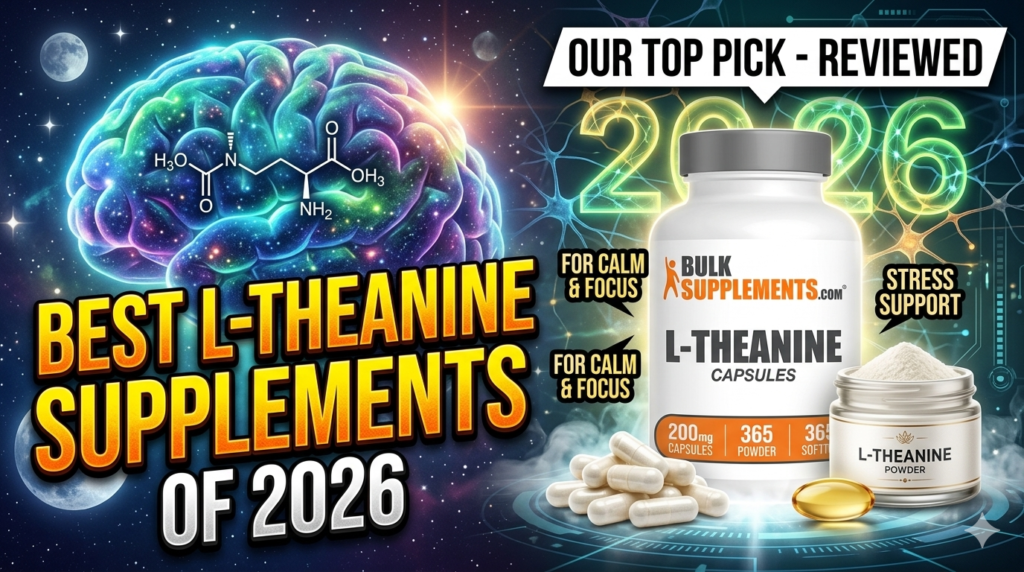
L-Theanine Supplements in 2026: A Complete, No-Hype Buyer’s Guide
At a Glance: L-Theanine Supplements is one of the best-researched amino acids in the supplement world — a naturally occurring compound found in green tea that delivers measurable cognitive and relaxation benefits without sedation. This guide cuts through the marketing noise to give you a clear, research-grounded breakdown — covering how L-Theanine works, what separates quality products from inferior ones, how much to take, which delivery formats matter, and how this Supplements stacks up against competing options like GABA, ashwagandha, and magnesium glycinate.
Table of Contents
- Understanding L-Theanine Supplements
- Purity Standards and Quality Benchmarks
- Dosage: What the Research Actually Says
- Supplement Formats and How Delivery Affects Results
- The Bioavailability Question
- What’s Inside: Ingredients and Formula Breakdowns
- Side-by-Side Brand Analysis
- True Cost of L-Theanine: Price and Value Decoded
- Evidence-Backed Benefits of L-Theanine
- Safety Profile and Known Side Effects
- L-Theanine vs. Other Relaxation and Focus Compounds
- Frequently Asked Questions
1. Understanding L-Theanine Supplements
L-Theanine (chemically known as L-γ-glutamylethylamide) is a non-protein amino acid found almost exclusively in the leaves of Camellia sinensis — the tea plant — and in certain mushroom species, particularly Boletus badius. Furthermore, it is responsible for much of the distinctively smooth, focused calm that separates a good cup of green tea from other caffeinated beverages. Yet for all its centuries of informal use, they mechanisms were only rigorously characterized in the late 20th and early 21st centuries.
The compound crosses the blood-brain barrier efficiently following oral ingestion — a critical property that sets it apart from many other amino acids and explains why its effects are noticeably central rather than purely peripheral. Once in the brain, L-Theanine exerts its influence through several complementary mechanisms: modulating neurotransmitter systems, promoting electrical patterns associated with relaxed wakefulness, and — in the right dose combinations — sharpening cognitive performance.
What makes L-Theanine genuinely remarkable is what it doesn’t do. It doesn’t sedate. It doesn’t impair reaction time. Moreover, it doesn’t create., Moreover, it doesn’t create the jittery edge”” that caffeine alone so often produces. Instead, it creates a state that researchers have described as “alert relaxation” — calm without drowsiness, focus without anxiety. That combination is rare among cognitive supplements, and it’s precisely why Consequently, L-Theanine has accumulated one of the most” consistently positive bodies of human clinical evidence in the entire supplement category.

L-Theanine 200mg, Theanine Pills – Amino Amino Supplement, Gluten Free – 1 Theanine Capsule per Serving, 365 Capsules
The Neuroscience in Plain English
L-Theanine exerts its effects through three primary mechanisms:
Alpha wave promotion. Within 30 to 60 minutes of ingestion, L-Theanine measurably increases alpha-frequency brainwave activity (8–13 Hz) in the posterior cortex. Alpha waves are associated with the state of relaxed, attentive wakefulness — the mental mode you inhabit during creative work, mindful focus, or a calm conversation. This is the neurological signature of what users describe as “taking the edge off” without dulling the mind.
Neurotransmitter modulation. L-Theanine influences multiple neurotransmitter systems simultaneously. It elevates levels of GABA, serotonin, and dopamine while simultaneously reducing excitatory glutamate signaling. The result is a brain chemistry profile that supports mood stability, anxiety reduction, and a grounded, functional sense of calm.
Caffeine synergy. Perhaps the most studied aspect of L-Theanine is its interaction with caffeine. When combined in the right ratio — typically 2:1 L-Theanine to caffeine — the two compounds produce cognitive outcomes neither achieves alone. Caffeine’s alerting effects are extended and sharpened while its anxiogenic and blood-pressure-elevating effects are meaningfully blunted. Multiple placebo-controlled trials have confirmed this synergy is real and reproducible.
Who Is L-Theanine Most Relevant For?
L-Theanine supplementation makes the most sense for:
- Professionals and students experiencing stress-related cognitive interference who want focus without pharmacological intervention
- Regular caffeine users who want to reduce jitteriness, anxiety, or afternoon energy crashes
- Adults dealing with situational anxiety or tension that undermines daily performance
- Those with sleep onset difficulties tied to a racing, overactive mind at bedtime
- Athletes and performers seeking calm confidence under pressure without sedation
- Anyone building a foundational nootropic stack who wants a well-tolerated, evidence-backed starting point
2. Purity Standards and Quality Benchmarks
The supplement industry’s chronic quality problem applies to L-Theanine as much as to any other compound. The ingredient is relatively inexpensive to produce at scale, which means the market is flooded with products that vary enormously in actual purity — and very few consumers know how to tell the difference.
What Purity Percentages Actually Mean
When a product is labeled “98% pure L-Theanine Supplements,” that means 98 out of every 100 measured units of material is genuine L-Theanine. The remaining 2% consists of manufacturing byproducts, impurities, or residual process chemicals. While small in percentage terms, these accumulate meaningfully when you’re taking a supplement daily over months or years.
Interpreting purity tiers:
- Above 99% — Pharmaceutical-grade; the standard for research-grade sourcing and premium formulations
- Above 98% — High-quality; appropriate for most users and widely found in credible supplement brands
- Above 95% — Acceptable baseline, but more common in budget products; scrutinize documentation carefully
- Below 95% — Warrants serious concern; avoid unless robust and recent third-party testing is provided
The Suntheanine Standard
One specific quality benchmark worth knowing in the L-Theanine market is Suntheanine — a patented, pharmaceutical-grade L-Theanine produced by Taiyo International through a proprietary fermentation process that replicates the natural biosynthesis found in green tea leaves.
Suntheanine has been used in a significant portion of the published human clinical trials on L-Theanine, meaning that when you buy a product standardized to Suntheanine, you’re getting an ingredient whose effects are directly supported by the existing research literature.
Suntheanine is not the only quality L-Theanine available, but it is the most well-documented branded form. Its presence on a label is a meaningful indicator of quality intent — and it comes with manufacturer documentation you can actually verify.
How to Evaluate a Certificate of Analysis
Every manufacturer worth buying from provides a Certificate of Analysis (COA) — an independent laboratory document confirming what is and isn’t in their product. When reviewing a COA for L-Theanine, check for:
- Compound identity confirmation via HPLC (high-performance liquid chromatography) — this verifies you’re buying genuine L-Theanine, not a cheaper or mislabeled lookalike
- Purity percentage that matches or exceeds the label claim
- Heavy metals panel — lead, arsenic, cadmium, and mercury must fall within established safe limits
- Microbial testing results — total aerobic bacterial count, yeast, and mold must pass industry thresholds
- Test date — COAs older than two years may not reflect current production batches; insist on recent testing
- Enantiomeric confirmation — L-Theanine is the biologically active form; the D-Theanine enantiomer is inactive. Quality testing should confirm the correct isomeric composition.
If a company declines to share their COA or provides only a document generated internally, that’s a clear signal to shop elsewhere.
Labs Worth Trusting
Third-party verification means nothing without credible verification sources. Recognized independent labs in the supplement space include:
- Eurofins — globally accredited with internationally recognized methodology
- NSF International — widely respected and widely cited across reputable supplement brands
- Labdoor — publishes consumer-accessible rankings with transparent methodology
- United States Pharmacopeia (USP) — the benchmark standard for pharmaceutical-grade ingredient verification
- Informed Sport / Informed Choice — particularly relevant for athletes who need to avoid contaminated supplements
GMP Manufacturing: The Non-Negotiable Baseline
Good Manufacturing Practice (GMP) certification, regulated in the United States by the FDA, establishes a standardized quality framework governing everything from raw material sourcing to final packaging. Any L-Theanine supplement worth buying should be manufactured in an FDA-registered, GMP-compliant facility. This is not a differentiator — it is a minimum standard.
Warning Signs to Walk Away From
- COA unavailable, or issued in-house by the manufacturer rather than an independent lab
- No disclosed manufacturing facility or country of origin
- Prices dramatically lower than the legitimate market rate for verified material
- “Proprietary blend” language that conceals the actual L-Theanine dose
- Marketing that relies entirely on claims without referencing specific studies or test documentation
3. Dosage: What the Research Actually Says {#dosage-research}
The dosage question for L-Theanine is more nuanced than it first appears. Effective doses differ depending on whether you’re using L-Theanine alone, stacking it with caffeine, targeting relaxation versus focus, or using it specifically for sleep. The research provides useful guidance across all of these contexts.
Research-Established Dosage Ranges
Human clinical studies have investigated L-Theanine across doses ranging from 50mg to 400mg per day, with robust findings throughout that range:
- 50–100mg — The typical dose delivered by 2–3 cups of high-quality green tea; produces measurable alpha wave activity and mild anxiolytic effect. Useful as a gentle daily baseline or low-end caffeine stack component.
- 100–200mg — The most widely studied range; consistently produces significant improvements in attention, reaction time, mood, and stress markers in healthy adults. The 200mg dose is the most represented in placebo-controlled trials.
- 200–400mg — Used in studies targeting anxiety reduction, sleep quality improvement, and cognitive performance under stress. At the upper end, sedating effects become more likely, particularly when taken without caffeine.
- 400mg+ — Explored in therapeutic and clinical research contexts; generally safe, but not clearly superior to 200–400mg for most cognitive or relaxation goals.
Goal-Adjusted Dosage Framework
| Goal | Recommended Dose | Timing |
|---|---|---|
| General stress relief | 100–200mg | Morning or midday |
| Focus and cognitive performance (with caffeine) | 100–200mg + 50–100mg caffeine | Pre-task |
| Anxiety reduction | 200mg | Morning or as needed |
| Sleep onset improvement | 200–400mg | 30–60 minutes before bed |
| Athletes / competition calm | 200mg | 60–90 minutes before event |
| Foundational daily nootropic | 100–200mg | Morning |
This table reflects general guidance based on the published research literature. Consult a qualified healthcare professional before beginning L-Theanine supplementation, particularly if you are pregnant, managing anxiety disorders with prescribed medication, or taking other CNS-active supplements.
The Caffeine Combination: Getting the Ratio Right
When combining L-Theanine with caffeine — perhaps the most popular and well-supported nootropic pairing in existence — research consistently points to a 2:1 ratio of L-Theanine to caffeine as the sweet spot. That means:
- 100mg caffeine → 200mg L-Theanine
- 50mg caffeine → 100mg L-Theanine
At this ratio, multiple published trials found superior outcomes across measures of attention, reaction time, working memory, and mood compared to either compound taken alone. Critically, the combination also produced fewer reports of headache and jitteriness than caffeine without L-Theanine.
Despite its excellent safety profile
Despite its excellent safety profile, starting at 100mg and adjusting from there is a sensible approach. L-Theanine’s effects are dose-dependent, and individual sensitivity varies. Some people find 100mg entirely sufficient for their goals; others require 200mg to notice a meaningful difference. Starting conservatively lets you identify your personal effective dose without overshooting.
Studies in human adults have safely evaluated
Studies in human adults have safely evaluated single doses up to 900mg without adverse events. That said, for most practical cognitive and relaxation goals, there is no compelling evidence that doses above 400mg deliver proportional additional benefit. More is not always better with neurotransmitter-modulating compounds. L-Theanine Supplements
4. Supplement Formats and How Delivery Affects Results
The format your L-Theanine comes in influences both convenience and how quickly and completely the compound reaches your brain. For most users, the format choice is secondary to dose and quality — but it’s worth understanding the options. L-Theanine Supplement
Standard Capsules
Advantages: Pre-measured, tasteless, easy to travel with, consistently available
Limitations: Standard oral absorption with a 30–60 minute onset; not adjustable
Ideal for: The majority of users who prioritize daily convenience and consistent dosing
Capsules are the dominant format for L-Theanine. Absorption takes place primarily in the small intestine, with peak plasma concentrations typically reached within 30 to 90 minutes of ingestion. Bioavailability is good — This is a relatively stable molecule that survives the gastrointestinal environment more intact than many compounds.
Powder (Unflavored and Flavored)
Advantages: Lowest cost per gram; highly adjustable dosing; dissolves well in water or beverages
Limitations: Requires measuring equipment or careful portioning; mild earthy flavor
Ideal for: Budget-conscious buyers, biohackers building custom stacks, and those who want to dissolve it into tea, coffee, or pre-workout blends
Raw L-Theanine powder has the advantage of being stackable with other compounds in a single drink — including coffee or matcha, creating a straightforward home version of the caffeine + L-Theanine combination. Absorption profile is comparable to capsules.
Gummies and Chewable Formats
Advantages: Palatable and easy to take; no water required; faster initial absorption due to some oral mucosal contact
Limitations: Often contain added sugars or sweeteners; standardized dose; generally higher cost per mg than capsules or powder
Ideal for: Users who struggle with swallowing capsules or want a more enjoyable daily supplement ritual
Gummies have grown substantially in market share and represent a practical option for consistent daily use, particularly for those who find standard capsules forgettable. Quality varies considerably in this format — scrutinize the ingredients list for unnecessary additives.
Sublingual Formats
Advantages: Fastest onset; bypasses first-pass liver metabolism; enhanced bioavailability
Limitations: Less common; not all brands execute this well; some find the texture or taste unpleasant
Ideal for: Situational, on-demand use where faster onset matters (pre-presentation, pre-performance)
While sublingual This Supplements products are fewer than capsule options, they represent a meaningful format choice for users who need faster onset — such as taking it 15 minutes before a stressful meeting rather than planning 45 minutes ahead.
Stacked Formulas (Pre-Formulated Combinations)
Advantages: Convenient; engineered ratios; often includes synergistic compounds like caffeine, magnesium, or adaptogens
Limitations: Less control over individual ingredient doses; more expensive per serving
Ideal for: Those who prefer a single product to manage focus or relaxation rather than assembling their own protocol
Estimated Bioavailability by Format
| Format | Approximate Bioavailability | Onset Time |
|---|---|---|
| Sublingual | ~85–90% | 15–25 minutes |
| Powder (dissolved) | ~80–87% | 30–45 minutes |
| Standard Capsule | ~80–85% | 30–60 minutes |
| Gummy / Chewable | ~75–82% | 30–50 minutes |
These estimates reflect general pharmacokinetic data. Individual physiology, stomach content, and product formulation all influence actual absorption.
5. The Bioavailability Question
This has a genuine advantage over many other amino acid-based supplements: it is absorbed efficiently via dedicated amino acid transport systems in the small intestine, and it crosses the blood-brain barrier actively rather than relying on passive diffusion. As a result, this makes it one of the more bioavailable cognitive supplements available.
How L-Theanine Enters the Brain
After absorption from the gut, This Supplements enters the bloodstream and is transported across the blood-brain barrier via the large neutral amino acid transport (LNAA) system — the same carrier proteins that shuttle other large neutral amino acids into the central nervous system.
Brain concentrations of This is increase measurably within 30 to 60 minutes of oral ingestion. EEG studies confirm that alpha wave changes in the cortex follow this same timeline, providing direct neurological evidence that the compound is reaching the brain and having its intended effect.
Why Food and Other Amino Acids Matter
Large meals containing other neutral amino acids — particularly leucine, isoleucine, valine, tyrosine, and tryptophan — compete with This Supplements for the same LNAA transport system. Taking L-Theanine Supplements with or immediately after a large protein-rich meal may reduce brain uptake compared to a fasted or light-meal state. For users who are highly sensitive to this effect, taking L-Theanine Supplements on an empty stomach or with only a light snack is a practical optimization.
The Stability Advantage
Unlike NMN, resveratrol, and many other nutraceuticals that are sensitive to heat, light, or stomach acid, L-Theanine Supplements is a notably stable molecule. It survives the stomach environment well, requires no special delivery technology to remain intact, and doesn’t degrade rapidly at room temperature. This is partly why the standard capsule format performs almost as well as more elaborate delivery methods — there’s simply less attrition in the absorption pathway.
Practical Steps to Optimize Your Absorption
- TakeL-Theanine Supplements on an empty stomach or with a light, low-protein snack for maximum brain uptake
- For situational use (pre-meeting, pre-workout), take 45–60 minutes in advance with standard capsules, or 15–20 minutes in advance with sublingual formats
- Store powder and capsules in a cool, dry location away from moisture and direct light — not because L-Theanine Supplements degrades rapidly, but because all supplements benefit from proper storage
- If combining with caffeine, mix or take both at the same time; the synergy is strongest when both peak in the brain simultaneously
6. What’s Inside: Ingredients and Formula Breakdowns
L-Theanine supplements range from single-ingredient capsules to complex multi-compound nootropic stacks. Understanding what else is in your supplement — and why — helps you spend your money on formulas that match your actual goals.
NOW Foods Supplements, L-Theanine Pure Powder, Tension Management*, Amino Acid, 1-Ounce
Solo L-Theanine vs. Combination Formulas
Single-ingredient products contain only L-Theanine plus standard capsule material (typically vegetable cellulose). They suit:
- People who want precise, predictable control over their dose
- Those who drink coffee or tea regularly and want to add L-Theanine without redundancy
- Budget-focused buyers who want the core compound without paying for a stack
- Anyone sensitive to other compounds who needs to isolate variables
Multi-compound stacks pair L-Theanine Supplements with synergistic ingredients for a more comprehensive effect. They suit:
- Those looking for a complete focus, calm, or sleep formula in a single product
- Convenience-minded users who prefer fewer products in their daily routine
- Buyers whose goals align closely with the stack’s specific formulation
Key Synergistic Ingredients Worth Knowing
Caffeine (50–200mg) The most evidence-supported combination in the cognitive supplement literature. The 2:1 ratio of This Supplementsto caffeine produces reliably superior outcomes in attention, working memory, and mood compared to either compound alone. Many standalone focus supplements and pre-made nootropic capsules include this pairing as their core.
Magnesium Glycinate or Magnesium L-Threonate (100–400mg) Magnesium is a co-factor for over 300 enzymatic reactions and plays a central role in nervous system function. Deficiency — which is surprisingly prevalent — is associated with heightened anxiety, poor sleep, and impaired stress responses. When combined with This Supplement, magnesium deepens the calming, sleep-supportive effect without adding sedation to the waking-hours experience. This is the form with the strongest evidence for blood-brain barrier penetration.
Ashwagandha / KSM-66 (300–600mg) An adaptogenic herb with robust clinical evidence for cortisol reduction and anxiety relief. Ashwagandha and L-Theanine Supplements target stress and anxiety through different mechanisms — This Supplements acts acutely via neurotransmitter modulation, while ashwagandha modulates the HPA axis over weeks of consistent use. The combination offers both immediate and cumulative stress resilience.
GABA (100–750mg) Gamma-aminobutyric acid is the brain’s primary inhibitory neurotransmitter. While orally administered GABA has limited blood-brain barrier penetration in standard form (Pharma GABA and certain liposomal versions show better uptake), its combination with L-Theanine in relaxation-oriented formulas can produce a mild additive calming effect. Use with appropriate caution if also taking prescription anxiolytics.
Lemon Balm Extract (300–600mg) An herb from the mint family with evidence for mild anxiety reduction and sleep improvement. Its calming properties complement L-Theanine Supplements well in evening or relaxation formulas, and the combination has been studied specifically in the context of stress and sleep quality.
Vitamin B6 (1–10mg) A cofactor involved in the synthesis of serotonin, GABA, and dopamine — neurotransmitters that L-Theanine also modulates. Its inclusion in L-Theanine stacks is mechanistically logical, though the marginal benefit for most people eating an adequate diet is modest.
Ingredients That Raise Concerns
- Melatonin in daytime formulas — melatonin is appropriate in sleep products but inappropriate in focus or daytime relaxation products, where it will cause unwanted drowsiness
- Undisclosed herbal extracts in proprietary blends — prevents any meaningful quality or safety assessment
- Artificial dyes, synthetic sweeteners, or excessive fillers — counterproductive in a supplement intended to support neurological health
- Excessive GABA or valerian in focus products — both can cause sedation at sufficient doses, working against L-Theanine’s primary value proposition of calm without drowsiness
7. Side-by-Side Brand Analysis
The L-Theanine market spans a wide quality spectrum. Below is a structured assessment of the most consistently recommended brands as of 2026.
Comparative Overview Table
| Brand | Dose Per Serving | Form | Format | Monthly Price | Third-Party Verified | Notes |
|---|---|---|---|---|---|---|
| Pure Encapsulations | 200mg | Suntheanine | Capsule | ~$28 | Yes | Hypoallergenic; clean formula |
| Jarrow Formulas | 200mg | Suntheanine | Capsule | ~$18 | Yes | Excellent value; widely available |
| NOW Foods L-Theanine | 200mg | Suntheanine | Capsule | ~$15 | Yes | GMP-verified; budget-friendly |
| Thorne Amino Complex | 200mg | Proprietary | Capsule | ~$35 | Yes | Premium purity; practitioner-grade |
| Natural Stacks | 200mg | Suntheanine | Capsule | ~$22 | Yes | Clean label; strong COA practices |
| Alpha Brain (Onnit) | ~100mg (in stack) | Undisclosed | Capsule stack | ~$50 | Partial | Complex stack; dose not isolated |
| Bulk Supplements | Adjustable | Generic | Raw Powder | ~$12 | Yes | Lowest cost/gram; powder only |
| Nootropics Depot | 200mg | Suntheanine | Capsule / Powder | ~$15 | Yes | Biohacker community favorite |
Individual Brand Breakdowns
Pure Encapsulations L-Theanine is the default recommendation for practitioners, clinicians, and those who prioritize the cleanest possible formulation. Made with Suntheanine, free from common allergens, and manufactured to a standard that few consumer brands match. The premium price is justified by the depth of quality assurance. Recommended for sensitive individuals, those with allergies, or anyone who wants absolute confidence in their ingredient sourcing.
Jarrow Formulas L-Theanine is the standout value recommendation for most users. It uses verified Suntheanine at a 200mg dose, is NSF-verified, and has been consistently reliable for years. Available through major retailers including Amazon, iHerb, and Costco, making it easy to source without premium specialty pricing. For a first-time L-Theanine buyer who wants genuine quality without overpaying, this is the starting point.
NOW Foods L-Theanine offers one of the lowest prices for Suntheanine-grade This in a capsule format. NOW is a well-established manufacturer with GMP verification and a long track record of acceptable third-party testing. Not the most refined option on this list, but a consistently acceptable choice for those managing budget carefully.
Thorne L-Theanine represents the practitioner-channel standard — the brand most likely to appear in integrative medicine and functional health protocols. Their manufacturing quality is exceptional, and their supply chain documentation is among the most transparent in the industry. At a higher price point than Jarrow or NOW, Thorne is the choice when you want the closest thing to pharmaceutical-grade in a consumer supplement.
Nootropics Depot has become the preferred source for the serious self-optimization and biohacking community, offering both Suntheanine capsules and raw powder with some of the most thorough COA documentation in the consumer supplement space. Their in-house testing practices go beyond what most brands provide, and their transparent publication of test results has earned significant credibility among research-oriented users.
Alpha Brain by Onnit includes L-Theanine as a component within a broader nootropic stack but obscures the precise dose within its formula. It’s a legitimate product with real ingredients, but the lack of dose transparency limits its utility for users who need to know exactly how much L-Theanine they’re getting. Best suited for users who want a convenient all-in-one formula and are not attempting to titrate individual compound doses.
Bulk Supplements L-Theanine Powder is the clear choice for budget-conscious buyers and those who want to mix L-Theanine into beverages or build custom stacks with full dose control. Their raw powder passes third-party testing at a substantially lower cost per gram than any capsule option. The trade-off is that you’ll need a milligram-accurate scale and are responsible for your own formulation.
Category Winners
- Best overall quality: Pure Encapsulations or Thorne
- Best value: Jarrow Formulas or NOW Foods
- Best for biohackers: Nootropics Depot
- Best powder option: Bulk Supplements
- Best all-in-one focus stack: Natural Stacks Smart Caffeine (L-Theanine + caffeine combination)
8. True Cost of L-Theanine: Price and Value Decoded
L-Theanine is, by nootropic standards, one of the more accessible supplements in cost terms. But price-per-capsule comparisons obscure the actual value calculation. What matters is cost per effective dose — the amount of bioavailable, verified L-Theanine you receive per dollar spent.
Cost-Per-Dose Breakdown
| Product | Price | Servings | Cost Per 200mg Dose |
|---|---|---|---|
| Bulk Supplements Powder (500g) | ~$30 | ~2,500 servings | ~$0.012 |
| NOW Foods Capsules (90ct) | ~$15 | 45 at 200mg/serving | ~$0.33 |
| Jarrow Formulas (60ct) | ~$18 | 60 at 200mg/serving | ~$0.30 |
| Nootropics Depot (180ct) | ~$25 | 90 at 200mg/serving | ~$0.28 |
| Pure Encapsulations (60ct) | ~$28 | 60 at 200mg/serving | ~$0.47 |
| Thorne (90ct) | ~$35 | 90 at 200mg/serving | ~$0.39 |
At a daily dose of 200mg, the monthly cost of quality L-Theanine ranges from approximately $8 to $15 — one of the most affordable cognitive supplements available when evaluated on a per-dose basis.
Where Value Goes Wrong
Budget traps are common in the L-Theanine space:
- Underdosed products — Some products label 100mg capsules, requiring you to take double the count (and double the cost) to match research doses. Calculate cost per effective dose, not per capsule.
- Gummies with high per-dose pricing — Gummy formats often carry 3–4x the per-dose cost of equivalent capsules and powder while offering no meaningful bioavailability advantage.
- Stack products that dilute value — Broad-spectrum nootropic stacks that include This as one of 12 ingredients often deliver subtherapeutic doses of each individual compound. Know what you’re actually getting per dollar.
- Premium branding without premium quality — Several heavily marketed brands charge two to three times the Jarrow or NOW price point without delivering proportionally superior ingredients or verification.
9. Evidence-Backed Benefits of L-Theanine {#evidence-backed-benefits}
L-Theanine’s research base is deeper than that of most dietary supplements. Here is an honest assessment of where the evidence is strong, where it’s emerging, and where caution is warranted.
Anxiety and Stress Reduction — Strong Evidence
Multiple randomized controlled trials have demonstrated that L-Theanine significantly reduces subjective stress and anxiety. A 2019 study published in Nutrients found that four weeks of 200mg daily L-Theanine supplementation in healthy adults significantly reduced self-reported stress, anxiety, and sleep disturbance compared to placebo. The effect was particularly pronounced in individuals with higher baseline anxiety scores. A 2016 randomized trial confirmed similar findings in participants with generalized anxiety traits, with reductions in salivary cortisol as an objective biomarker of the response.
The mechanism is consistent with the observed outcomes: L-Theanine modulates glutamate receptor activity, elevates GABA and serotonin, and produces alpha-dominant EEG patterns — all converging on a neurochemical profile that is genuinely anti-anxiety rather than simply sedating.
Cognitive Performance and Attention — Strong Evidence
The caffeine + L-Theanine combination is one of the most replicated findings in human cognitive research. A landmark 2008 study in Biological Psychology demonstrated that 100mg caffeine combined with 200mg L-Theanine produced significantly better scores on attention-switching tasks and increased alert ratings compared to caffeine alone, L-Theanine alone, or placebo. These findings have been replicated in multiple independent trials using varying tasks, populations, and dose ranges.
L-Theanine alone — without caffeine — also improves attention in certain contexts. Studies have shown faster simple reaction time, better digit vigilance, and reduced distractibility at 100–200mg in resting adults, particularly in those who self-identify as highly anxious.
L-Theanine does not cause sleep onset
L-Theanine does not cause sleep onset in the way sedative compounds do. What the evidence supports more precisely is the quality of sleep — reduced sleep latency in adults with high anxiety, improved sleep efficiency, and reduced nighttime waking, particularly at doses of 200–400mg. A study in boys diagnosed with ADHD found that 400mg of L-Theanine daily significantly improved sleep efficiency scores. Adult studies suggest comparable benefits in those whose sleep difficulties are related to anxious rumination rather than primary insomnia.
The working model is that L-Theanine’s anxiety-reducing and alpha wave-promoting effects create conditions conducive to easier sleep onset rather than directly inducing sleep — a meaningfully different and, for many users, preferable mechanism.

Blood Pressure Management — Emerging Evidence
Several studies have observed that they attenuates the blood pressure rise associated with stress tasks and high-dose caffeine. For individuals who experience caffeine-related hypertension or who are sensitive to stress-induced blood pressure elevations, this is a practically relevant finding, though the long-term cardiovascular implications require further study.
Neuroprotection and Cognitive Aging — Early Evidence
Preclinical research suggests This may have neuroprotective properties — including reduction of amyloid-beta accumulation, NMDA receptor overactivation (excitotoxicity prevention), and oxidative stress in neural tissue. Human trials specifically targeting cognitive aging are limited, but the mechanistic case is compelling enough that This is appearing increasingly in longevity-oriented cognitive health protocols.
Benefits Summary Matrix
| Benefit | Evidence Quality | Effect Size | Recommended Dose |
|---|---|---|---|
| Acute stress and anxiety reduction | Strong | Moderate-Large | 200mg |
| Focus with caffeine | Very Strong | Moderate-Large | 100–200mg + caffeine |
| Sleep quality improvement | Moderate | Moderate | 200–400mg |
| Blood pressure attenuation | Moderate | Mild-Moderate | 100–200mg |
| Neuroprotection | Emerging | Unknown | TBD |
| Attention without caffeine | Moderate | Mild-Moderate | 100–200mg |
10. Safety Profile and Known Side Effects
L-Theanine has one of the cleanest safety profiles in the supplement industry. Its decades of consumption via green tea, combined with a growing body of dedicated clinical research, support the conclusion that it is well tolerated across a wide range of doses in healthy adults.
What Safety Research Shows
In dedicated safety studies, L-Theanine has been evaluated at single doses up to 900mg and at repeated daily doses of up to 400mg for extended periods without adverse event signals. The compound is classified as Generally Recognized as Safe (GRAS) by the FDA. It does not appear to produce tolerance, dependence, withdrawal symptoms, or organ toxicity at doses within the studied range.
Reported Side Effects
Side effects are uncommon and mild when they do occur:
- Headache — occasionally reported at higher doses, often in users who combineThis with caffeine reduction
- Mild dizziness or lightheadedness — rare; more likely at higher doses or in individuals sensitive to blood pressure changes
- Gastrointestinal discomfort — uncommon; usually resolves with food or dose reduction
- Excessive drowsiness — can occur when combining high-dose This with other sedating compounds (GABA, valerian, melatonin, or prescription sedatives)
Interactions and Cautions
- Prescription anxiolytics and sedatives (benzodiazepines, Z-drugs): L-Theanine may potentiate sedative effects. Combination should only occur under medical supervision.
- Antihypertensive medications: Given L-Theanine’s modest blood-pressure-lowering effect, those on antihypertensive drugs should monitor blood pressure and inform their prescribing physician.
- Stimulant medications (Adderall, Vyvanse, modafinil): L-Theanine is commonly combined with stimulants to reduce side effects. This is widely practiced and generally considered low-risk, but individual response varies and medical oversight is advisable.
- Pregnancy and breastfeeding: Clinical safety data for pregnant and nursing women is insufficient. Avoidance is the conservative recommendation pending clearer evidence.
Long-Term Use Considerations
This is among the most suitable supplements for ongoing, indefinite daily use. There is no established mechanism by which it should cause harm over long-term supplementation, and no published evidence of tolerance development — meaning the same dose continues to deliver the same effect over time without requiring escalation.
11. L-Theanine vs. Other Relaxation and Focus Compounds {#ltheanine-vs-others}
Understanding how This fits into the broader landscape of evidence-based relaxation and focus supplements helps you decide whether it’s the right tool for your specific needs — or whether it should be part of a complementary stack.
L-Theanine vs. Ashwagandha
Ashwagandha (particularly KSM-66 and Sensoril extracts) has strong clinical evidence for reducing cortisol, improving perceived stress, and enhancing cognitive performance under chronic stress conditions. The key distinction from This is temporal: ashwagandha’s benefits are cumulative and build over weeks of consistent use, while L-Theanine’s effects are acute and present within an hour of ingestion.
Takeaway: These compounds are complementary rather than competitive. This handles immediate, situational stress and focus needs; ashwagandha builds longer-term stress resilience. Combined, they offer both timescales of benefit.
L-Theanine vs. GABA
GABA is the brain’s primary inhibitory neurotransmitter, and oral GABA supplements are widely marketed for relaxation. The core problem is that standard oral GABA has very limited blood-brain barrier penetration, meaning most of what you consume doesn’t reach the brain. Pharma GABA (produced via fermentation) may cross more effectively, but the evidence base is weaker than L-Theanine’s.
Takeaway: L-Theanine has far more direct evidence for brain-level effects than standard oral GABA. If your goal is genuine neurological relaxation, This is the better-supported choice. GABA may add complementary value in evening sleep formulas when combined with L-Theanine.
L-Theanine vs. Magnesium Glycinate
Magnesium glycinate is among the most evidence-supported supplements for anxiety, sleep, and stress resilience — but its mechanism is fundamentally different. Magnesium works as a cofactor for neurological processes, corrects deficiency (which is widespread), and modulates NMDA receptors that drive anxious neural activity. Its effects accumulate over days to weeks of consistent use rather than occurring acutely.
Takeaway: Magnesium and L-Theanine are the most commonly recommended foundational pairing in evidence-based relaxation protocols. Magnesium addresses the baseline; L-Theanine handles the acute, as-needed layer. For sleep specifically, the combination consistently outperforms either compound alone in user-reported outcomes.
L-Theanine vs. Passionflower and Valerian
These herbal sedatives have decent evidence for sleep improvement and anxiety reduction but carry a sedation profile that makes them unsuitable for daytime use or cognitive performance contexts. Both can cause meaningful drowsiness, particularly at effective doses.
Takeaway: L-Theanine is uniquely suited to daytime use because of its non-sedating anxiolytic profile. For strict nighttime sleep improvement in users with significant insomnia, passionflower or valerian may produce a stronger sedative effect — though they sacrifice the clean cognitive profile L-Theanine maintains.
L-Theanine vs. CBD
CBD (cannabidiol) has accumulated significant consumer interest for anxiety and sleep, but the evidence base for oral CBD in humans is more uneven than its popularity suggests. Bioavailability is highly variable, regulatory oversight in many markets remains limited, and the dose-response relationship is poorly characterized for most consumers.
Takeaway: L-Theanine has a substantially more consistent, well-characterized, and reproducible evidence base than most consumer CBD products. For anxiety reduction and focus support, L-Theanine is the more reliable choice. CBD may warrant consideration for specific conditions (certain sleep disorders, chronic pain-related anxiety) where its unique mechanisms are relevant.
L-Theanine vs. Rhodiola Rosea
Rhodiola rosea is an adaptogenic herb with good evidence for reducing mental fatigue and improving performance under stress. Its primary value lies in endurance — both physical and cognitive — under sustained stressful conditions, particularly in the context of overwork or sleep deprivation.
Takeaway: Rhodiola and L-Theanine work through different axes. L-Theanine is appropriate for situational calm and focus; rhodiola is better suited for stamina under prolonged cognitive demand. A combined stack — L-Theanine for acute calm, rhodiola for sustained performance — is a logical structure for high-demand professionals.
Recommendation Matrix
| Goal | Most Appropriate Option |
|---|---|
| Acute anxiety/stress relief | L-Theanine (200mg) |
| Focus with alertness (daytime) | L-Theanine + Caffeine (2:1 ratio) |
| Chronic stress resilience | Ashwagandha KSM-66 |
| Sleep quality improvement | L-Theanine + Magnesium Glycinate |
| Sustained cognitive stamina | Rhodiola Rosea |
| Neurological sedation (nighttime only) | Valerian / Passionflower + L-Theanine |
| Foundational calm + focus stack | L-Theanine + Magnesium + Ashwagandha |
12. Frequently Asked Questions
What does taking L-Theanine actually feel like?
Most users describe a subtle but clearly noticeable reduction in mental tension without any feeling of drowsiness or sedation. Some describe it as “taking the noise out of your head” — thoughts feel less frantic, focus comes more easily, and the background hum of anxiety or stress diminishes. The effect is rarely dramatic in isolation; L-Theanine is not a compound you’ll feel hit you. When combined with caffeine, the effect is cleaner and more pronounced: the usual jitteriness and scattered mental energy of caffeine is replaced by a smoother, more directed alertness.
How quickly does L-Theanine work?
Peak plasma concentrations are reached approximately 30 to 90 minutes after ingestion of a standard capsule, and EEG studies confirm that alpha wave changes in the brain track closely with that timeline. Most users report noticing the effect within 30 to 60 minutes. Sublingual formats can reduce onset to 15 to 20 minutes for those who need faster action.
Which L-Theanine supplement stands out in 2026?
For overall quality and value, Jarrow Formulas L-Theanine and Nootropics Depot represent the most consistent performers across price, verified quality, and dose accuracy. For the highest purity standards, Pure Encapsulations and Thorne are the practitioner-grade benchmarks. For the best cost-per-dose, Bulk Supplements raw powder is the clear answer. For a pre-formulated caffeine + L-Theanine combination, Natural Stacks Smart Caffeine is well-designed and honestly labeled.
Should I take L-Theanine with or without food?
For maximum brain uptake, L-Theanine is best taken on an empty stomach or with a light, low-protein snack. A large protein-rich meal introduces competing amino acids that use the same transport system into the brain, potentially reducing L-Theanine’s neurological effect. For those with a sensitive stomach, a small amount of food is fine — the reduction in absorption is modest.
Can I take L-Theanine every day?
Yes. L-Theanine does not produce tolerance, meaning it doesn’t require dose escalation over time to maintain the same effect. It is one of the most appropriate supplements for indefinite daily use. There is no documented withdrawal syndrome upon stopping, and no known organ toxicity from long-term consumption at recommended doses.
Is L-Theanine safe to take with coffee?
Not only is it safe — it’s among the most well-supported combinations in the cognitive supplement literature. The standard recommendation is 200mg of L-Theanine alongside 100mg of caffeine (roughly the amount in a standard 8oz coffee). The combination reduces caffeine-associated jitteriness, headaches, and blood pressure spikes while extending and sharpening the focus and alertness caffeine provides. Many users find this is a significant quality-of-life upgrade to their daily coffee routine.
Does L-Theanine cause drowsiness?
Not at standard doses taken during the day. L-Theanine promotes alpha wave activity — associated with relaxed alertness, not sleep. Unlike valerian, melatonin, or pharmaceutical sedatives, it does not produce sedation or impair driving, reaction time, or performance. At higher doses (300–400mg), particularly in the evening or when combined with other calming compounds, some users do report feeling noticeably relaxed enough to fall asleep more easily — which is often the intended goal in that context.
What is Suntheanine, and does it matter?
Suntheanine is a patented, pharmaceutical-grade L-Theanine produced by Taiyo International through a proprietary fermentation process. It is the form used in the majority of the published human clinical trials and is regarded as the quality standard for the ingredient.
Buying a product that specifies Suntheanine gives you confidence that the compound matches the research literature, has been manufactured to a documented standard, and comes with supply chain traceability. Standard non-branded L-Theanine from reputable manufacturers with independent COAs is also acceptable — but Suntheanine is the easiest shortcut to quality assurance.
Can L-Theanine help with ADHD?
L-Theanine is not an ADHD treatment and should not be considered a substitute for evidence-based medical interventions. However, the published literature does include relevant findings: a clinical trial in children with ADHD found that 400mg of L-Theanine daily significantly improved sleep efficiency — a common and problematic comorbidity.
Some adults with ADHD also report that the L-Theanine + caffeine combination is a useful complement to their existing protocol for managing focus and reducing stimulant side effects. Any changes to an ADHD management protocol should involve the prescribing clinician.
How is L-Theanine different from prescription anti-anxiety medications?
Prescription anxiolytics (benzodiazepines like diazepam, or buspirone) are pharmaceutical-grade drugs with powerful, reliably sedating effects — appropriate for clinical anxiety disorders but accompanied by significant side effect profiles including dependency risk, cognitive impairment, and withdrawal effects.
L-Theanine’s anxiety-reducing effect is mild to moderate by comparison, works through different mechanisms, produces no dependency, and does not impair cognition. It is not a substitute for clinical anxiety management when that is genuinely needed. It is an appropriate tool for everyday stress, situational anxiety, and quality-of-life optimization in generally healthy adults.
What should I pair with L-Theanine for the best results?
The combinations supported most clearly by evidence:
- For daily focus and productivity: L-Theanine (200mg) + caffeine (100mg)
- For stress resilience: L-Theanine (200mg) + ashwagandha KSM-66 (300–600mg)
- For sleep quality: L-Theanine (200–400mg) + magnesium glycinate (300–400mg), taken 30 to 60 minutes before bed
- For comprehensive calm + performance: L-Theanine + ashwagandha + magnesium as a foundational daily stack
How to Choose the Right L-Theanine Supplement: Final Guidance
After examining every dimension of the L-Theanine market — manufacturing quality, clinical dosing, delivery formats, brand integrity, cost efficiency, and the broader evidence base — the path forward is more straightforward than the market makes it appear.
Four steps to get started:
- Select a brand using Suntheanine or a similarly verified form, with an independently issued COA from a recognized lab
- Start at 100–200mg daily, taken in the morning on an empty stomach or with a light snack
- If you use caffeine, add L-Theanine at a 2:1 ratio to your existing caffeine dose for an immediate quality-of-experience upgrade
- For sleep improvement, add 200–400mg magnesium glycinate alongside evening L-Theanine and reassess after two to four weeks
Recommended by category:
- Best overall: Jarrow Formulas or Nootropics Depot (Suntheanine)
- Best practitioner-grade purity: Pure Encapsulations or Thorne
- Best value: NOW Foods or Bulk Supplements powder
- Best pre-stacked formula: Natural Stacks Smart Caffeine (L-Theanine + caffeine)
L-Theanine is not a miracle compound and not a substitute for lifestyle fundamentals like sleep, exercise, and stress management. But within the category of cognitive and relaxation supplements, it occupies a rare position: meaningful, reproducible effects across a well-designed research literature, an exceptional safety record, wide availability at accessible prices, and a mechanism of action that supports rather than impairs the kind of alert, functional calm that most users are actually seeking.
For the right person — and that person is most people interested in this category — L-Theanine is among the highest-value additions to a daily health and performance protocol.
This content is for educational and informational purposes only and should not be interpreted as medical advice. Consult a licensed healthcare professional before starting any new supplement regimen, especially if you have pre-existing conditions, anxiety disorders, or take prescribed medications.
Related Reading: